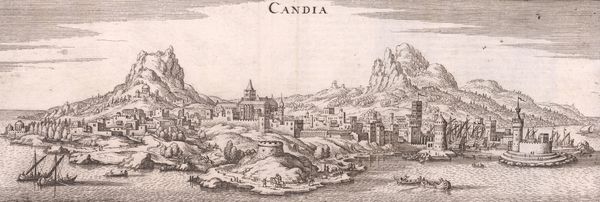
In the summer of 1347, a ship from Constantinople sailed into the port of Chandax. It brought something no one was waiting for: a plague that would cut through medieval Crete, its cities, villages, ports, wills, and religious imagination.
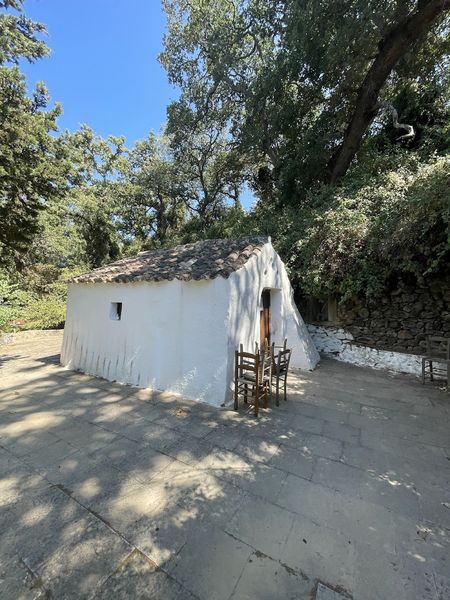
At the edge of an oak forest near Drakona stands a church so small that it would be easy to take it for an unremarkable roadside chapel. And yet, in its faded frescoes, a rare story of Saint Stephen, the first martyr of Christianity, has survived — together with a trace of a world in which Byzantine Crete met the West.
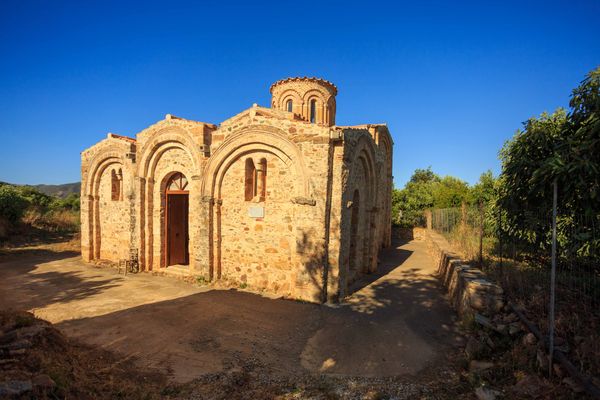
Amid the citrus groves of the Chania plain stands a church that does not announce itself from a distance. You need to know what you are looking for. It is worth the effort — beneath its floor lie children, on its walls lives John the Stranger, and the dedication to the Life-Giving Spring carries a weight here that it carries nowhere else.
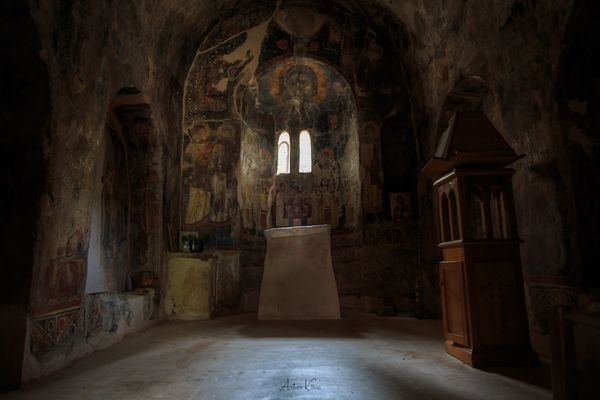
On the edge of a mountain village near Chania stands a small church that is easy to miss. And yet its frescoes are not merely decoration. They lead the visitor through a story of light, death, repentance and hope.
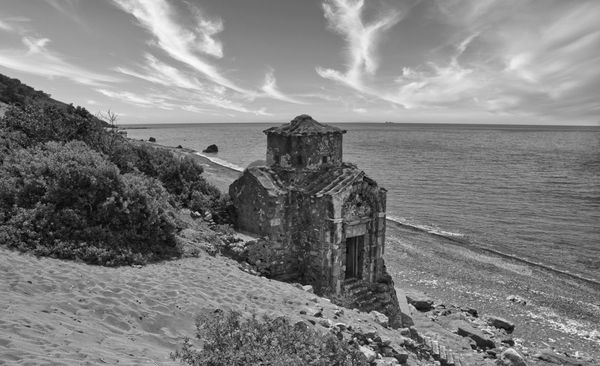
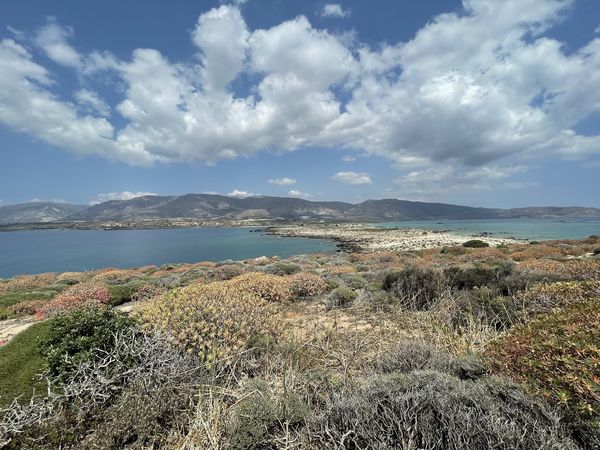
It all begins with a grain ship, an autumn storm, and a prisoner who knew more about the sea than the captain. Acts of the Apostles 27 is one of the most precise accounts of ancient seafaring to have survived to our time. Crete appears in it as an incidental backdrop — not a destination. And yet a thousand years later a wandering monk builds a church on a Cretan beach in honour of that prisoner. Between those two moments lies a question to which scholarship has no definitive answer.
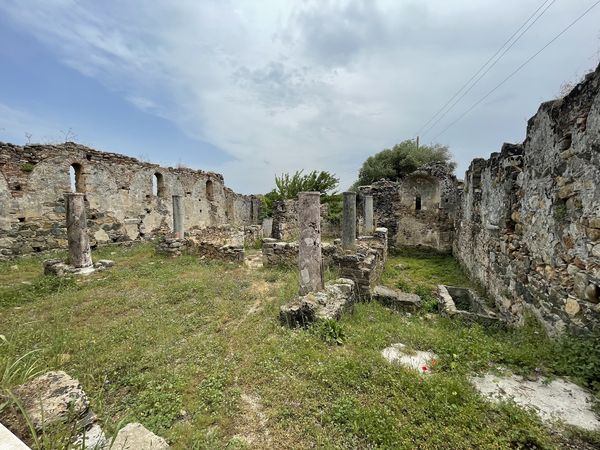
Kilkanaście kilometrów od Chanii, przy drodze, której większość samochodów nie zna, stoją mury z czerwonymi pasami cegły i kolumny z marmuru, którego na Krecie nie ma. To nie są ruiny kościółka. To ruiny katedry biskupiej, centrum chrześcijaństwa całego zachodniego krańca wyspy. Stały tu przez ponad tysiąc lat. Teraz giną powoli, bez tablicy, bez ogrodzenia, bez nikogo.
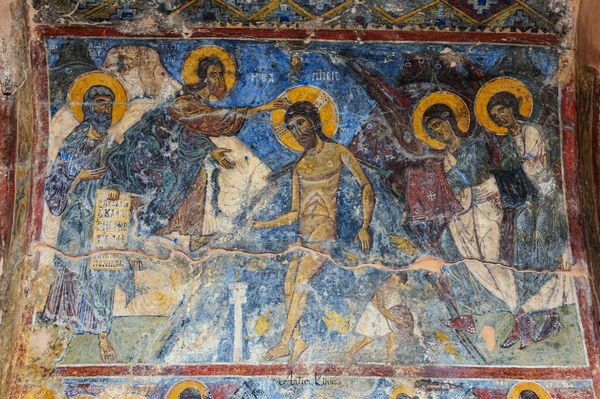
The icon of the Baptism of the Lord does not show baptism in the sense in which the Gospel narrative presents it. It does not tell a story; it condenses theology. In a single image it gathers the moment when heaven opens, matter is sanctified, chaos gives way, and the cosmos — from the angels to the River Jordan — recognizes its Creator. Every detail of this scene is a precise sentence spoken in image. If we look carefully, we do not see an episode from the life of Jesus, but an icon of new creation.
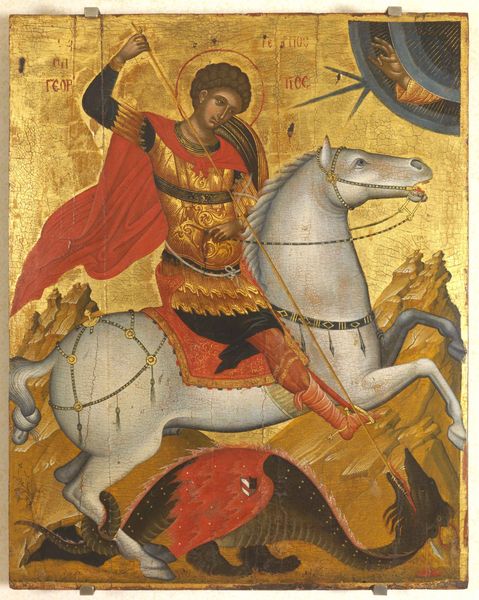
In Crete it is easier to come across an image of Saint George than an undented car. He is on the walls of village churches, along old routes, in places far from towns and their fortifications. He does not always fight a dragon; more often he simply is—alert, present, ready to intervene. This essay is not about a saint from a legend, but about a figure of protection in a world that, for centuries, lived in the shadow of very real threats: pirates, wars, abductions, and sudden death.
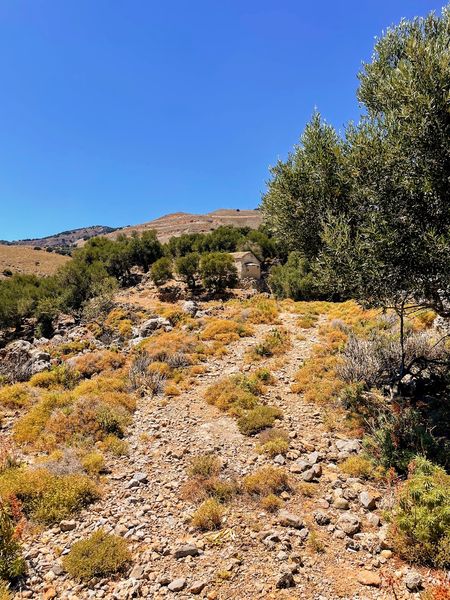
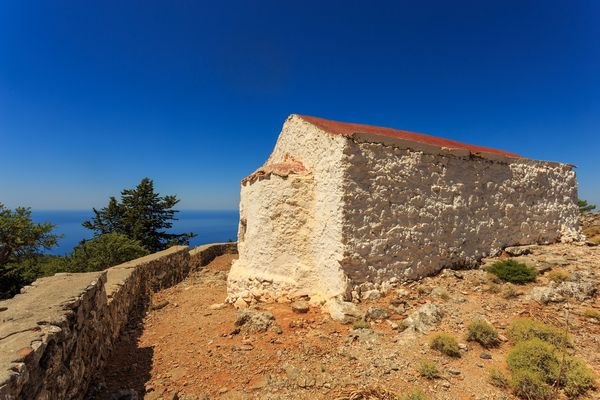
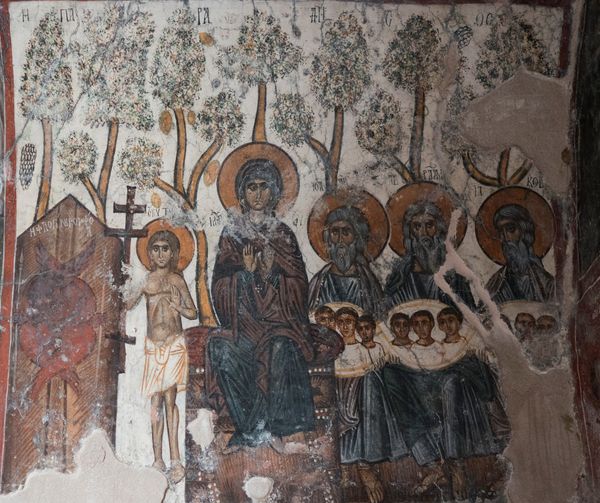
The Church of Saint George in Komitades is a 14th-century sanctuary in the Sfakia region of Crete, known for its well-preserved frescoes painted by Ioannis Pagomenos and for a surviving foundation inscription dated to 1313–1314. Located far from main roads, in a stark mountain landscape, it stands as a valuable testimony to local piety, communal patronage, and the iconographic programme of the Venetian period.