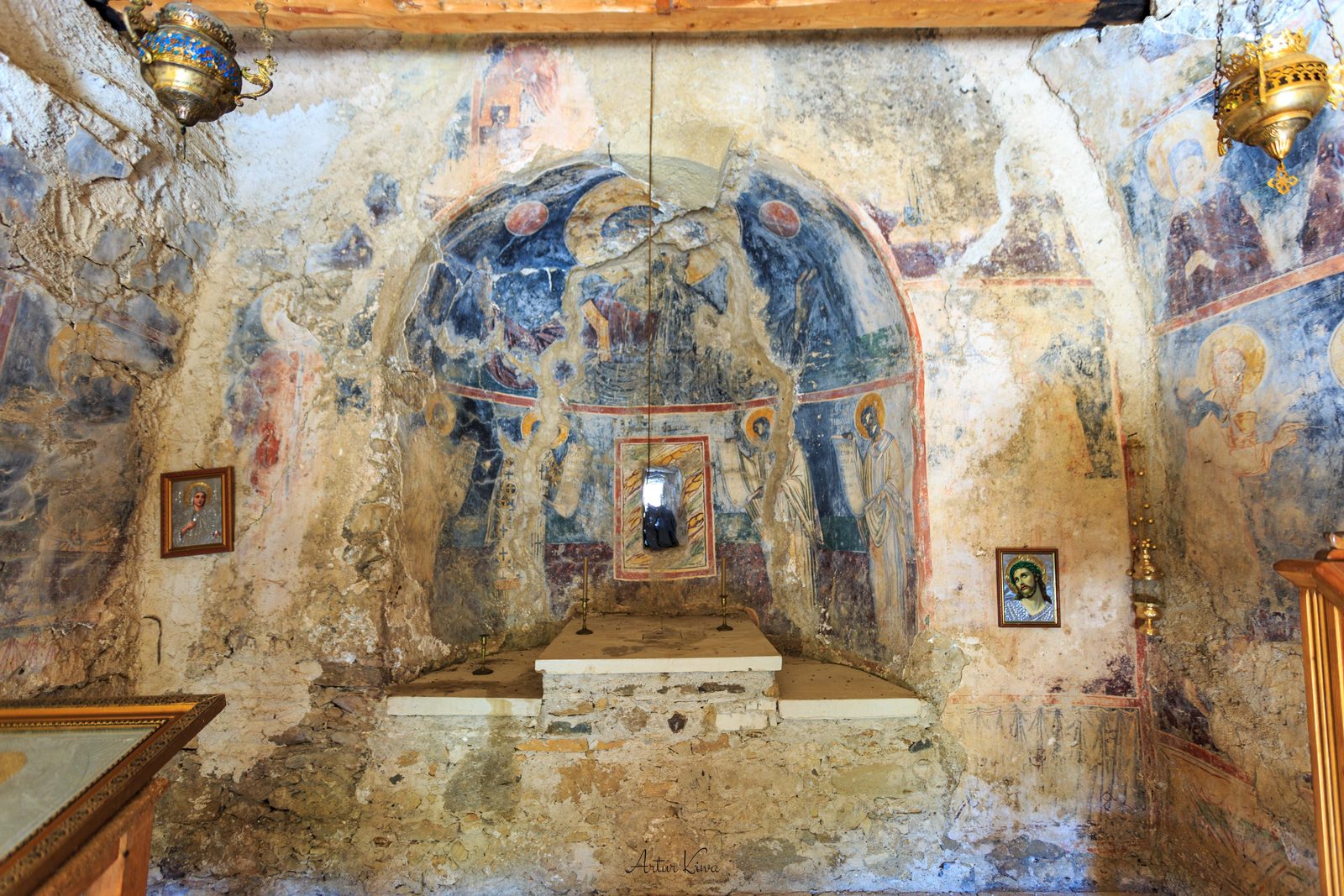
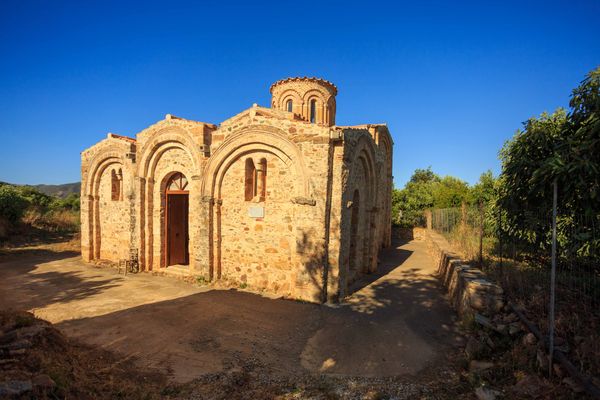
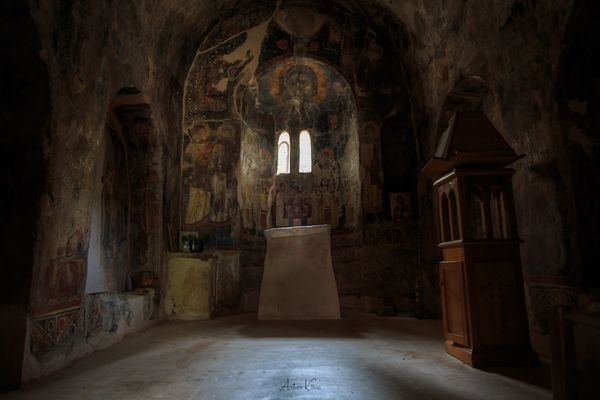
Just a dozen or so metres from my bed, the little church of Agios Athanasios has stood there for years — with hell labelled like a road sign, sinners bitten by snakes, and Ossia Maria, after whom the Samaria Gorge takes its name.
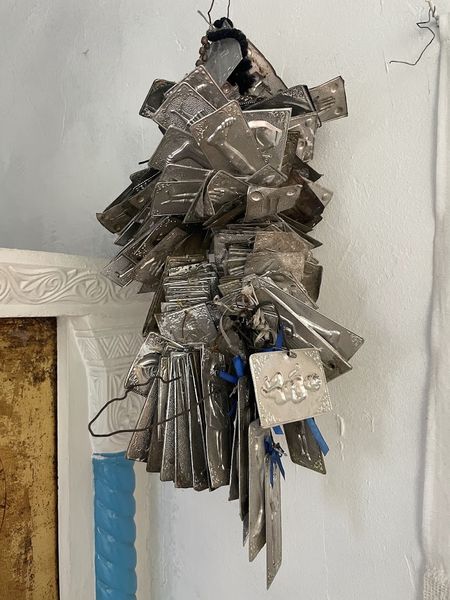
In forgotten chapels of Crete, beside icons and candles, hang silver plaques, children’s shoes, crutches and walking sticks. These are not decorations. They are material traces of requests, fears, gratitude and hope — small application forms addressed to heaven.
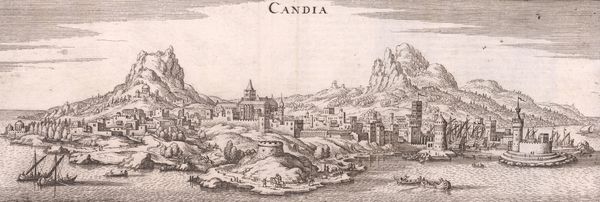
In the summer of 1347, a ship from Constantinople sailed into the port of Chandax. It brought something no one was waiting for: a plague that would cut through medieval Crete, its cities, villages, ports, wills, and religious imagination.
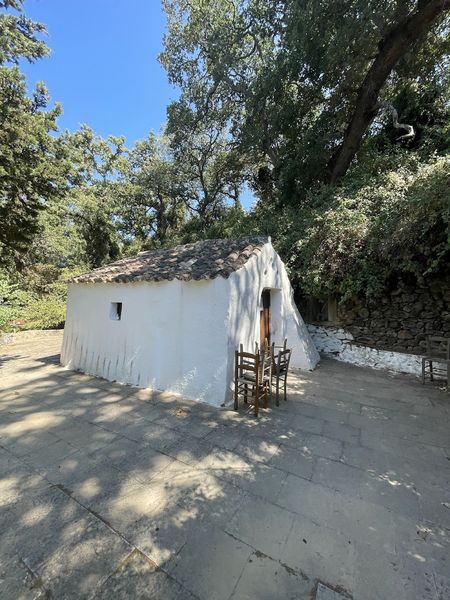
At the edge of an oak forest near Drakona stands a church so small that it would be easy to take it for an unremarkable roadside chapel. And yet, in its faded frescoes, a rare story of Saint Stephen, the first martyr of Christianity, has survived — together with a trace of a world in which Byzantine Crete met the West.
Amid the citrus groves of the Chania plain stands a church that does not announce itself from a distance. You need to know what you are looking for. It is worth the effort — beneath its floor lie children, on its walls lives John the Stranger, and the dedication to the Life-Giving Spring carries a weight here that it carries nowhere else.
On the edge of a mountain village near Chania stands a small church that is easy to miss. And yet its frescoes are not merely decoration. They lead the visitor through a story of light, death, repentance and hope.
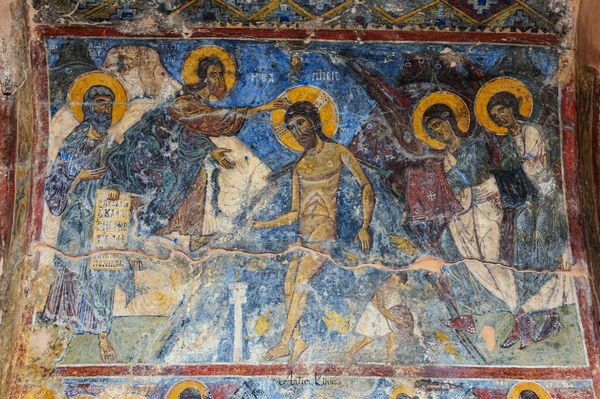
The icon of the Baptism of the Lord does not show baptism in the sense in which the Gospel narrative presents it. It does not tell a story; it condenses theology. In a single image it gathers the moment when heaven opens, matter is sanctified, chaos gives way, and the cosmos — from the angels to the River Jordan — recognizes its Creator. Every detail of this scene is a precise sentence spoken in image. If we look carefully, we do not see an episode from the life of Jesus, but an icon of new creation.