From the field
Blog
Field notes and essays on the churches of Crete: their frescoes, painters, inscriptions and the people around them.
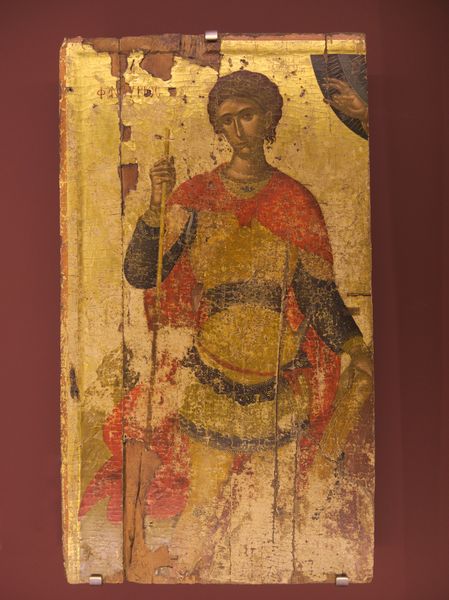
The Saint of Lost Things. Fanourios, His Mother, and a Slice of Cretan Cake.
When a true Cretan loses something, he doesn't start by checking the lost property office or posting in a local Facebook group. A true Cretan heads straight to the kitchen and starts baking a cake, a *fanouropita*. What on earth does a cake have to do with a missing sheep or a lost key? Why a cake, of all things, and where did this strange custom come from?
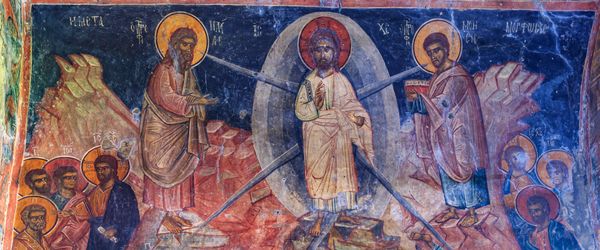
The Icon of the Transfiguration of Christ
There is a moment when looking at an old fresco when the eye already knows more than the mind has managed to name. At first, all you see is an oval — bright, blazing, unmistakably central — and a figure in white standing within it so calmly, as though standing in the middle of an explosion of light were the most natural thing in the world. Only after a moment does recognition come: this is not one scene but three scenes at once, played out on the same wall, by the same brush, among the same figures — only at three different moments in time, which the painter, without the slightest hesitation, has folded into a single image.
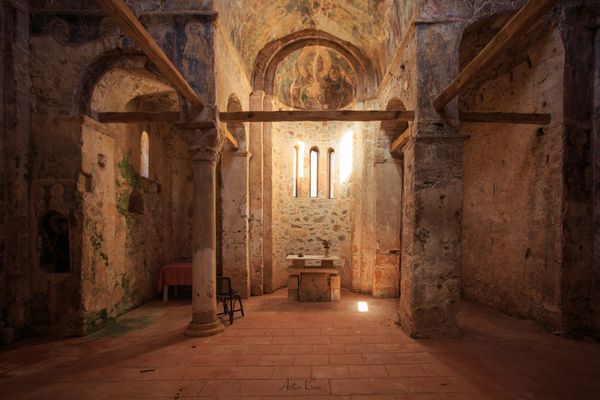
The Stranger. Eight Foundations That Left Their Mark on Crete
The story of a saint who did not build churches and did not perform miracles. He built communities that survived for a thousand years.
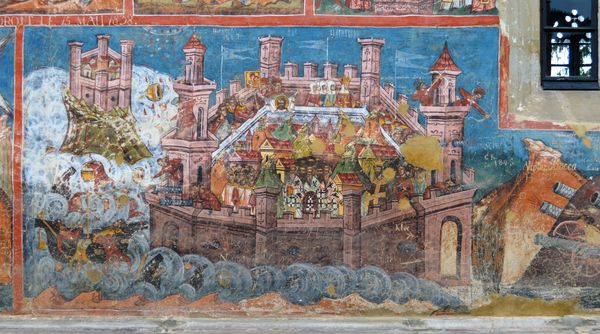
When Constantinople Fell, Crete Rose
On 29 May 1453, Constantinople fell. For many, it marked the end of the Byzantine world. For Crete, it became the beginning of an extraordinary age of artistic, intellectual and spiritual flourishing.
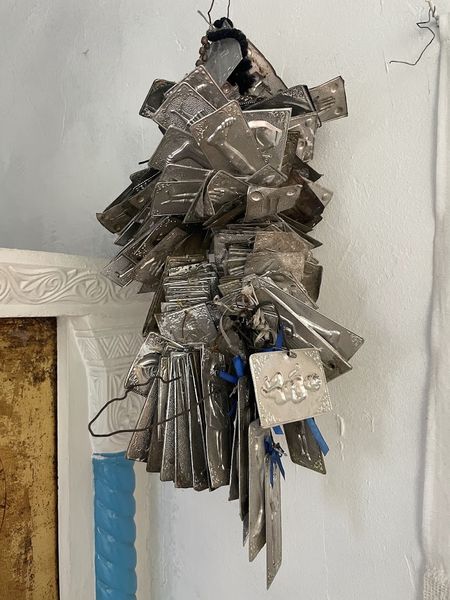
Τάματα. Application Forms to Heaven
In forgotten chapels of Crete, beside icons and candles, hang silver plaques, children’s shoes, crutches and walking sticks. These are not decorations. They are material traces of requests, fears, gratitude and hope — small application forms addressed to heaven.
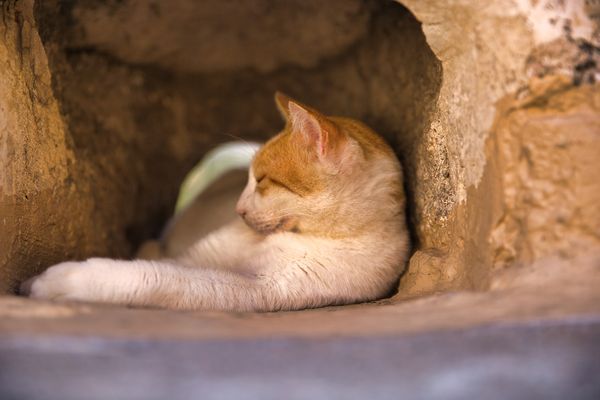
The Cats Stayed. A Short History of an Island Someone Else Always Thought Was Theirs
On Crete, civilizations came and went. The Minoans, Mycenaeans, Romans, Venetians and Ottomans left behind palaces, walls, scripts, wars and taxes. The cats watched it all from sun-warmed walls — and stayed.
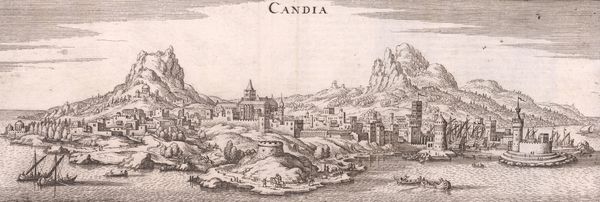
An Island at the Crossroads of Death. Crete in the Time of Plague
In the summer of 1347, a ship from Constantinople sailed into the port of Chandax. It brought something no one was waiting for: a plague that would cut through medieval Crete, its cities, villages, ports, wills, and religious imagination.
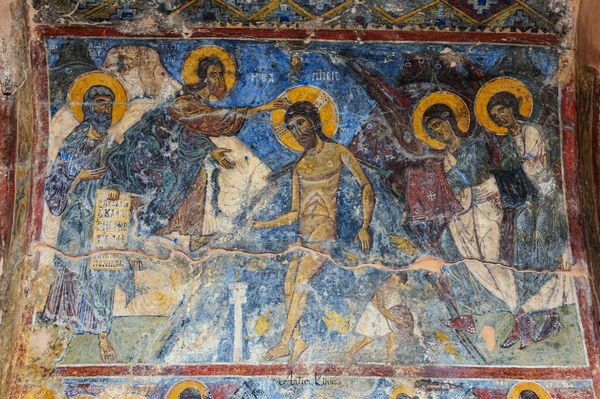
The Moment When Heaven Splits Open. The Baptism of Christ in Iconography
The icon of the Baptism of the Lord does not show baptism in the sense in which the Gospel narrative presents it. It does not tell a story; it condenses theology. In a single image it gathers the moment when heaven opens, matter is sanctified, chaos gives way, and the cosmos — from the angels to the River Jordan — recognizes its Creator. Every detail of this scene is a precise sentence spoken in image. If we look carefully, we do not see an episode from the life of Jesus, but an icon of new creation.
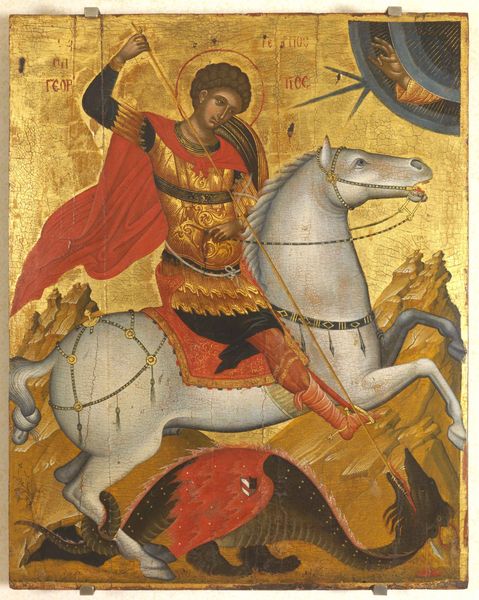
Why in Crete it is easier to meet Saint George than an undented car
In Crete it is easier to come across an image of Saint George than an undented car. He is on the walls of village churches, along old routes, in places far from towns and their fortifications. He does not always fight a dragon; more often he simply is—alert, present, ready to intervene. This essay is not about a saint from a legend, but about a figure of protection in a world that, for centuries, lived in the shadow of very real threats: pirates, wars, abductions, and sudden death.
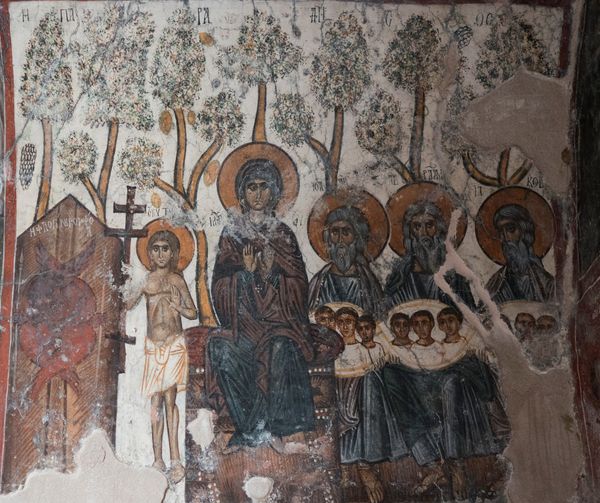
Three Men on a Bench (To Say Nothing of the Thief)
On how Paradise was painted in Crete — and why it still matters.
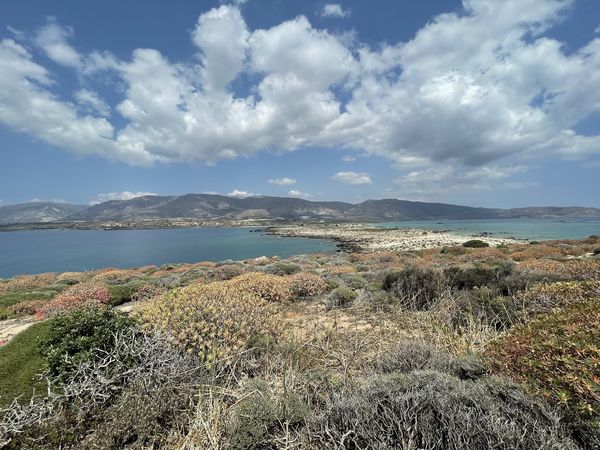
Elafonisi Beach, a Place That Deceives
The beauty of this landscape easily drowns out the fact that it was a witness to events closer to Greek tragedy than to a holiday story.
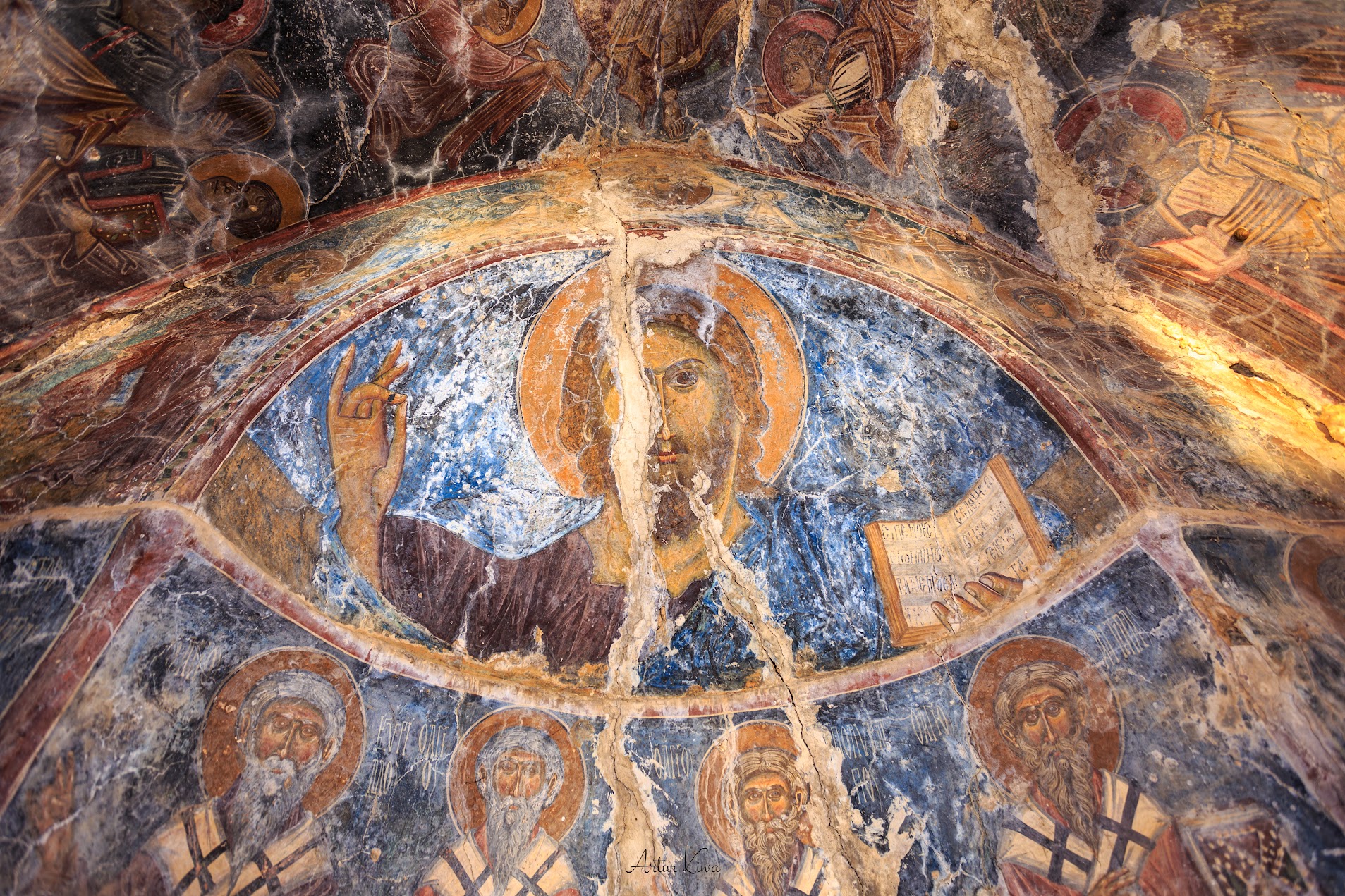
Pantokrator: A Presence Impossible to Ignore
In Cretan churches, the image of the Pantokrator does not tell a story – it establishes a relationship in which the human being ceases to be the centre, and God reclaims His place above the world.